
 Whatsapp
 Telegram
 2026-01-08
 What is the real impact of futures rollover on the gold market?
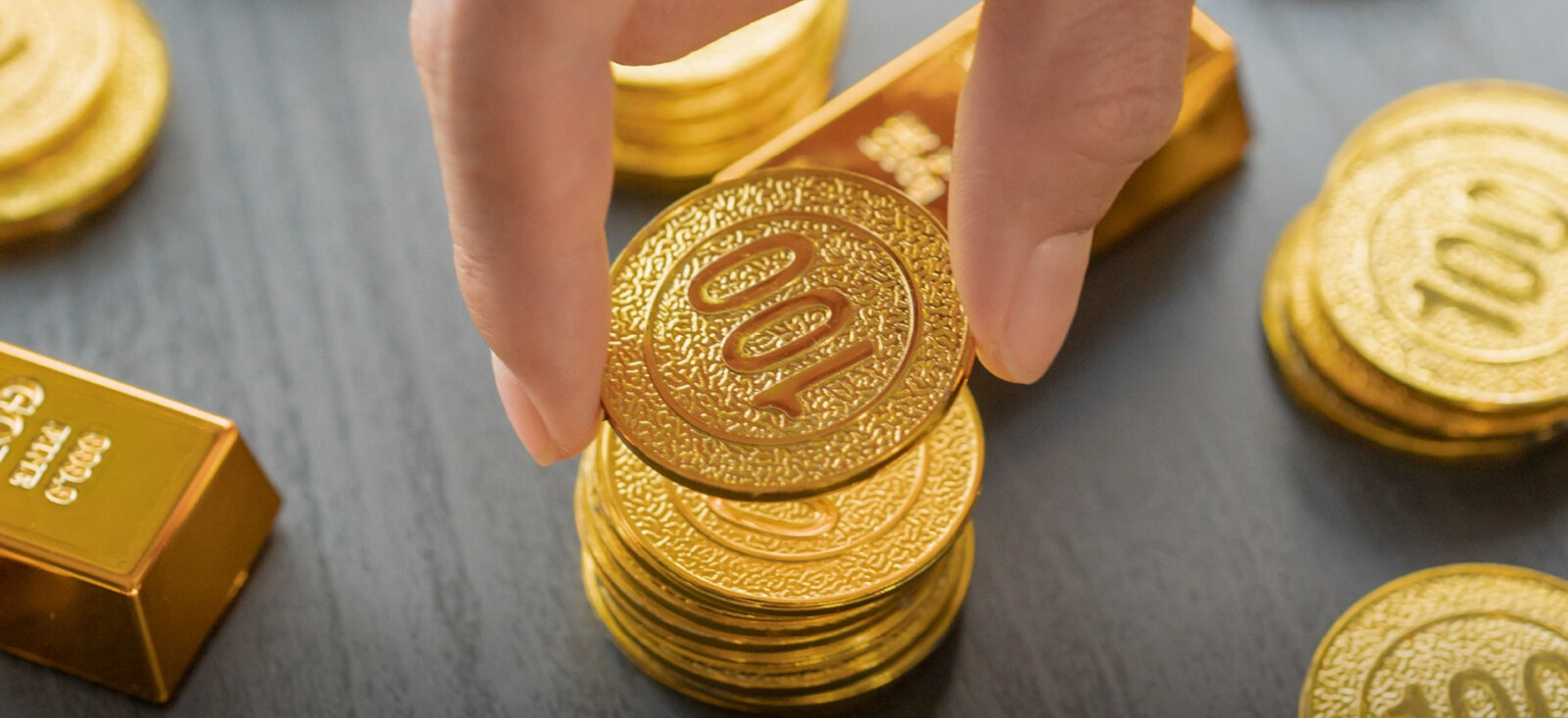
Whenever gold futures approach their expiration date, the market experiences what is known as a "roll-over", accompanied by a significant nominal amount. These figures can easily mislead one into thinking that there will be large-scale buying and selling in the market. In reality, the impact of futures roll-over on the gold market lies not in the direction of prices, but in the short-term operational level.
I. Position transfer merely involves changing the contract.
Gold futures have an expiration date, and investors cannot hold the same contract for a long time. Therefore, before the expiration date, most positions will sell the expiring contract and buy the next contract at the same time to maintain the original position. This process is called "rolling over".
It should be noted that rollover does not mean that investors have changed their views on gold; it merely involves switching to a different contract month.
Second, the increase in short-term fluctuations is a normal phenomenon.
During periods when there is a concentrated transfer of positions, trading volume often rises and price fluctuations may also accelerate. Such fluctuations mainly result from technical operations rather than new market information or changes in demand.
Therefore, short-term price fluctuations do not necessarily indicate a change in the market direction.
Three, what has truly changed is the contract price spread.
During the period of warehouse transfer, what is more worth paying attention to is not the gold price itself, but the price differences between different futures contracts. The changes in the price differences reflect factors such as time, holding costs and liquidity adjustments, rather than a sudden increase or decrease in gold demand.
IV. Transferring storage does not equal a shift in market stance.
Whether it is hedge funds, commercial hedgers, or structural adjustments of ETFs, rollovers are mostly routine operations. Therefore, the size of the rollover amount alone cannot be used to determine whether the market is bullish or bearish on gold.
Overall, the impact of futures rollover on the gold market is mainly reflected in short-term rhythms and fluctuations, rather than the price direction or the essence of demand.
Understanding the nature of rollover helps to avoid over-interpreting large "expiry/rollover" figures when they appear in the market.


