
 English

 Whatsapp
 Telegram
Debt diplomacy: A power struggle where debt is used as a weapon
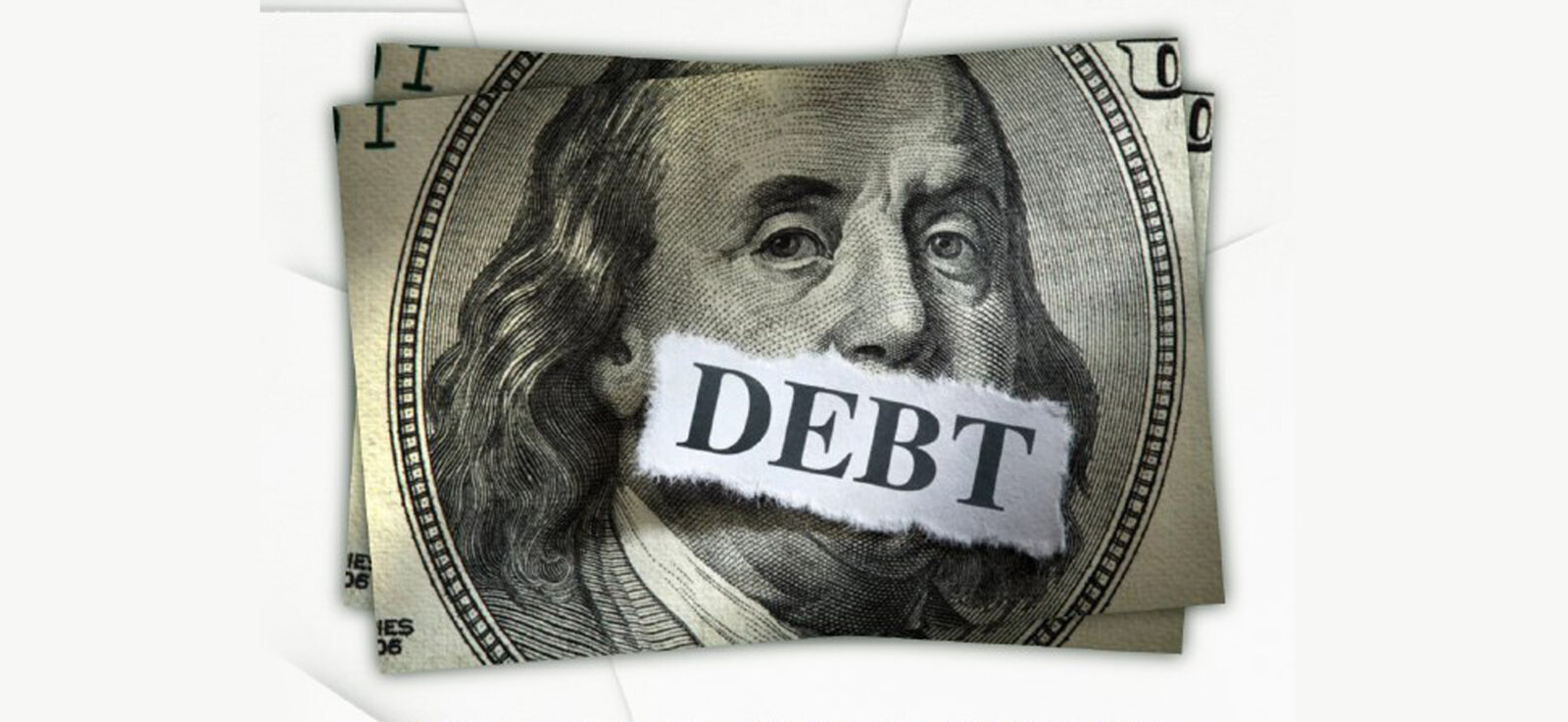
In an era of economic slowdown and geopolitical tensions, "debt" is no longer merely a fiscal tool. From the US dollar system to China's "Belt and Road Initiative", countries are using borrowing to gain strategic positions and influence. This silent "debt diplomacy" is quietly changing the global order.
-
From Aid to Control
The IMF and the World Bank have long provided loans to developing countries, ostensibly as aid but often with conditions attached: cutting subsidies, opening markets, and controlling fiscal deficits. These conditions give creditor countries actual influence over the policies of debtor countries.
Under the Belt and Road Initiative, China has provided large-scale infrastructure financing to Asia, Africa and the Middle East. Some countries have had to cede the operation rights of their assets due to debt pressure, which is referred to by the outside world as "debt-trap diplomacy".
No matter what one's stance is, the fact is clear: Where the money flows, there the influence follows.
-
How Debt Becomes an Extension of Power
The power of debt lies in its ability to create "dependence".
When a country relies on foreign funds for a long time, the creditor country naturally gains the right to speak.
This kind of dependence is not only financial but also affects policy choices.
The United States has established a global financial network through the dollar system, with over 60% of global foreign exchange reserves denominated in US dollars. When countries hold US debt, they are essentially tied to US policies.
As soon as Washington adjusts interest rates, global markets are immediately shaken.
-
Implications for Investors
There are three points worth noting for investors regarding "debt diplomacy":
1. The potential for debt traps, where countries may become overly indebted and lose control over their economic
Sources of funds and degree of reliance
When a region overly relies on foreign capital, both policy independence and exchange rate stability will be affected.
Debt = Logic of Influence
When analyzing market risks, it is not only necessary to look at economic data, but also to consider "who is borrowing and who is repaying".
The risk of a chain reaction
When a debtor country defaults or experiences political upheaval,
capital flight often triggers regional instability.
Understanding the flow of the "financial network" enables one to predict in advance the changes in the "power network".
The world order is shaped by the flow of capital and credit.
Previous Article Next Article


